

5 Ways to Support Kids with Speech Development at Home | Fun Speech Therapy Tips
What We'll Cover:
Supporting your child’s speech development at home doesn’t have to be difficult. In fact, the more fun and engaging the activities, the better! From playing speech-focused games to daily reading rituals, here are five ways you can foster speech progress in your little one while building their confidence. Whether your child is just starting to form words or needs extra help with specific sounds, these tips will set you on the right path.
1. Turn Speech Practice into Moments of Joy
Children learn best when they’re engaged and having fun, so finding playful ways to practice speech is essential. One of the best ways to do this is by incorporating speech exercises into everyday play. Think about how much kids love silly games like “Simon Says” or making funny faces in the mirror—these can become opportunities to work on pronunciation without it feeling like work. Children are constantly learning new words and hitting new language milestones. As my own child learns speech sounds, we use everything from tongue twisters to playful challenges, which helps her little two-year-old frustrations turn into fun. Seeing your child smile as they tackle a tricky sound is a reminder that learning can—and should—be joyful.


2. Make Reading Together a Daily Ritual
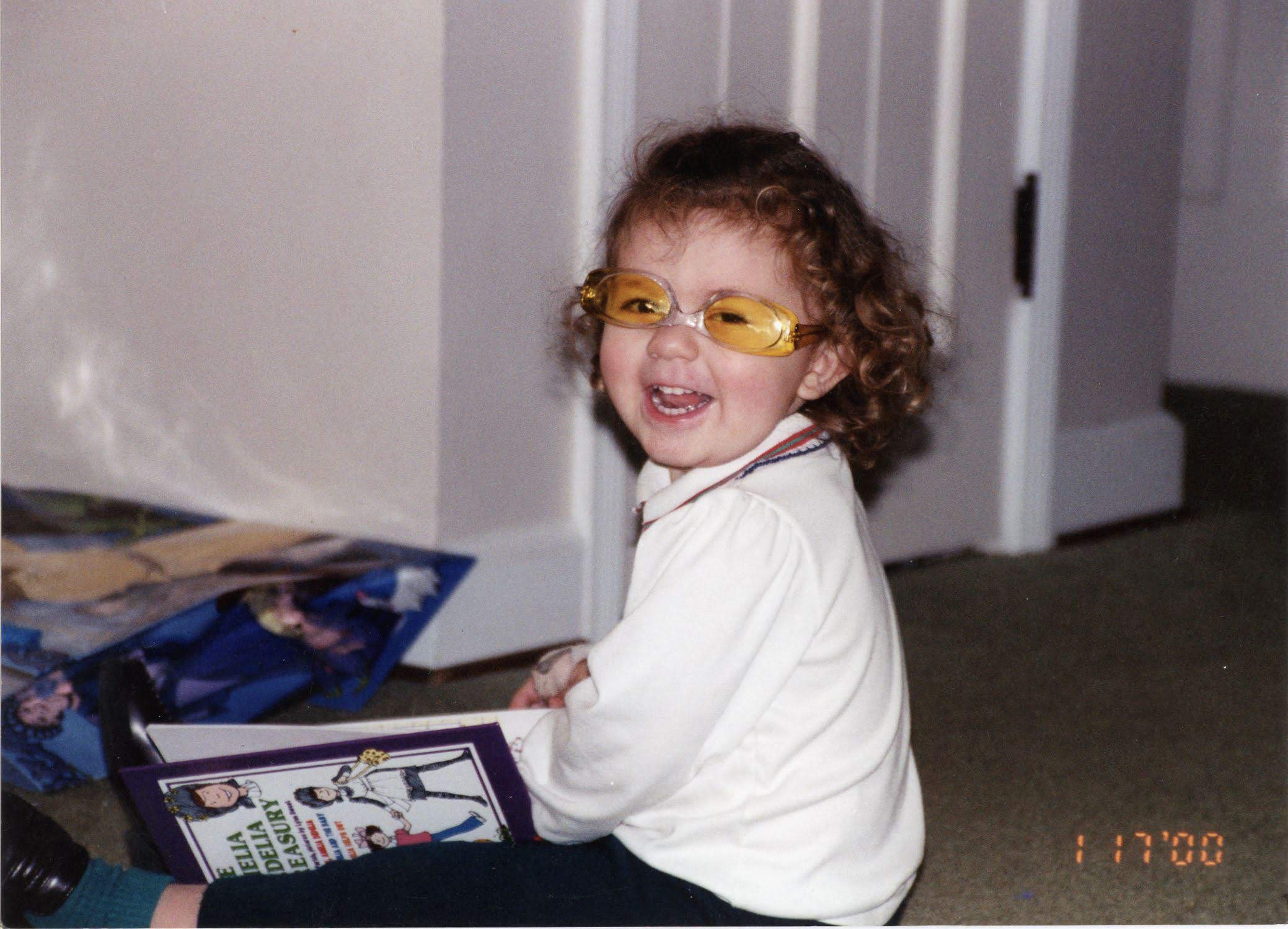
There’s something magical about curling up with a good book, and this daily habit can be one of the most effective ways to support your child’s speech. As you read, emphasize the sounds they’re struggling with and invite them to repeat after you. Choose books with simple, repetitive language that reinforces specific speech patterns, and let them finish sentences or guess words. I personally know how powerful reading can be because, as a child, I had a speech issue called a tongue thrust that made it difficult for me to pronounce even my own name. This experience shaped my understanding of how speech challenges can affect a child’s confidence, and how crucial it is to offer gentle, consistent support.
3. Use Visual and Physical Cues to Guide Them
Sometimes, simply saying a sound isn’t enough—kids need to see it or feel it to truly understand how to make it. Mirrors can be an excellent tool, allowing your child to watch how their mouth moves when they try to say difficult words. Physical cues like blowing bubbles or using a straw can also help them focus on the right lip and tongue placement. This hands-on approach was so important for me to incorporate into my children’s book Shane and the “Sh” Sound. It was a book that I wanted to make sure was technically accurate, informative, inspirational, and interactive, which it why it was reviewed by 15 speech pathologists and teachers. These simple exercises can make a huge difference in helping a child connect the physical movements with the sounds they’re trying to produce.

4. Celebrate Progress, No Matter How Small
5. Be Patient and Consistent—For Both of You
As parents, we sometimes focus on the end goal and forget to appreciate the small victories along the way. But in speech development, every small step forward is worth celebrating. Whether your child finally gets a sound right after weeks of practice or makes a clear effort to correct themselves, acknowledge and celebrate these moments. I remember how it felt to be a child with speech difficulties—hearing praise for even my smallest efforts gave me the confidence to keep going. Your child’s journey is unique, and recognizing their progress will encourage them to continue without feeling overwhelmed by the process.
Progress in speech development can feel slow, and it’s easy to get discouraged. But consistency and patience are key. Your child will have good days and tough days, but showing them that you are there through both helps build their resilience. Keep practices short, frequent, and woven naturally into your daily routine. I understand this deeply, having gone through years of speech therapy myself. There were days when even saying my name felt like an impossible hurdle, but the consistency of those around me—teachers, therapists, and my own parents—kept me moving forward. Now, as a mother and educator, I’ve carried that experience into the work I do, hoping to pass on that same sense of support and persistence.
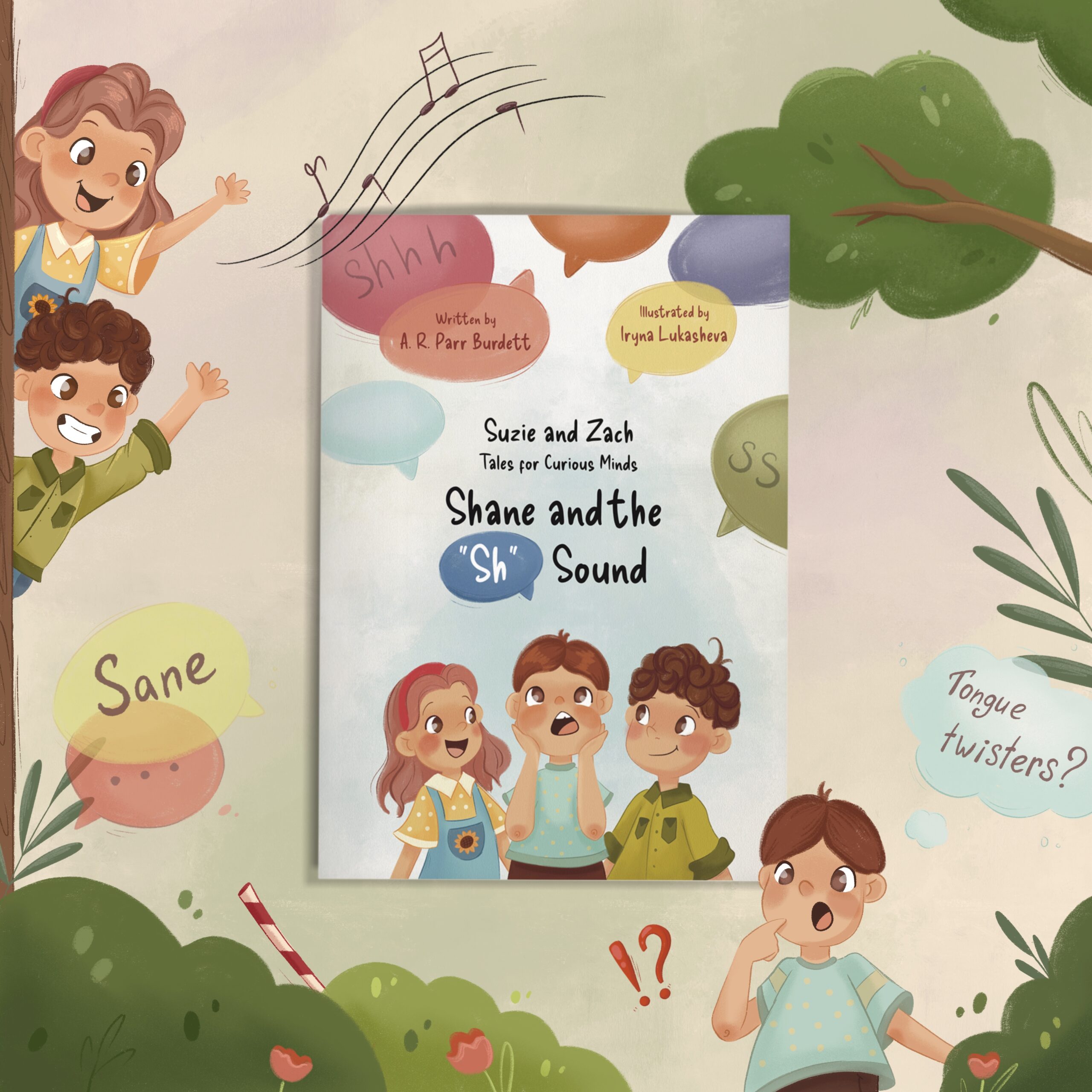
Supporting your child through speech development isn’t just about teaching them to say words correctly—it’s about giving them the confidence to express themselves fully, knowing they are supported every step of the way. If you’re looking for a resource created with these values in mind, I’ve written a book focused on speech and how we can support those who have a speech struggle but also relating to those who are experiencing it and helping them feel understood. Reviewed by speech pathologists and teachers, it offers both practical techniques and a heartwarming story to help kids see that challenges can be overcome with time, patience, and the love of friends and family. You can pre-order it now as part of your own toolkit for supporting your child’s growth.
1 Comment
Submit a Comment
Join
Learn With Us

This is really helpful. Thank you. It seems so basic yet the foundations are right where i need to focus at the Sagers time. Such a good reminder. Thank you